







For many designers, rattan and coastal design go hand in hand, and for good reason.Coastal interiors have long embraced the beauty, warmth, and texture that natural materials bring to a space.
But that's only one chapter of rattan's story.
Today, we're talking about how thoughtful design, material combinations, and finish selections can transform rattan into furniture that feels as at home in a contemporary penthouse as it does in a seaside retreat.
Let’s jump in!
Lariza: Tim, when people think of rattan, coastal interiors often come to mind. But our recent collections seem to tell a much broader story.
Tim: They do, and that's one of the things I enjoy most about designing with rattan. Coastal design helped showcase the beauty of this material for many years, but rattan itself is incredibly adaptable.
The material doesn't define the style. The design does.

Lariza: So, what transforms a piece from feeling coastal to feeling contemporary, transitional or any other style?
Tim: It starts with two things: silhouette and finish.
Those two elements determine how a piece is perceived. A clean architectural silhouette creates a different feeling than one with traditional curves. The finish has the power to completely change the personality of a design.


Lariza: Can you give us a few examples from some of our newer collections?
Tim: Absolutely.
Take the Nova Collection. It combines square core rattan with substantial wood elements and strong architectural lines. Then we introduce the dramatic arch, which softens the structure and creates balance. The result is refined and sophisticated, while still feeling warm and inviting.
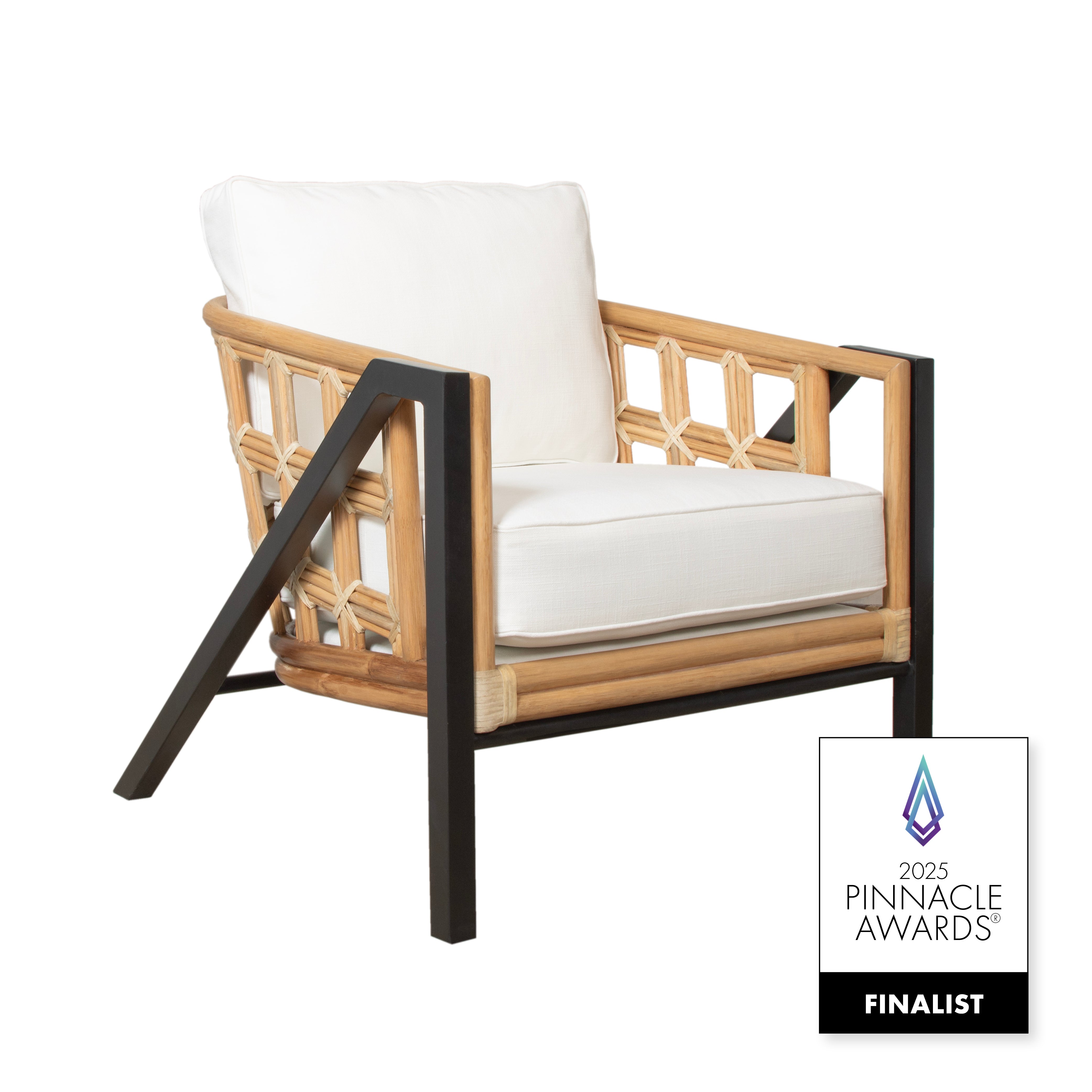
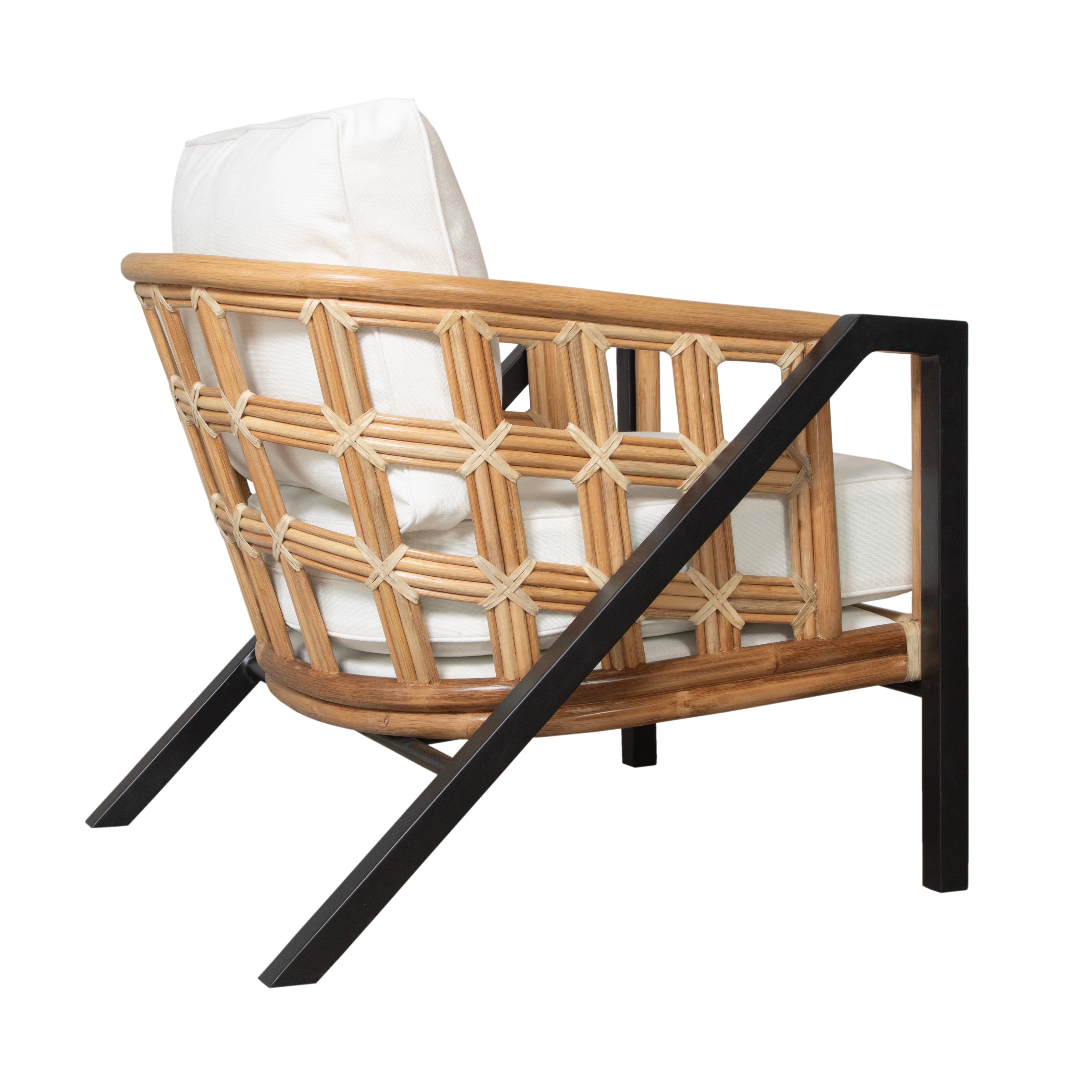
The Lucca Chair pairs rattan with sleek metal frames. That contrast between natural texture and clean metal gives the chair a contemporary edge while preserving the warmth that makes rattan so appealing.
The Liam Collection takes a more geometric approach. The chevron-inspired pattern creates movement and structure, showing that rattan can feel tailored, modern, and highly architectural.
Then there's the Maple Writing Desk Collection, which is one of my favorite examples of versatility. Designers can choose from four different looks: the classic Chippendale panel, the elegant Tiffany panel, the flowing Swirl pattern, or no rattan panel at all for a cleaner aesthetic. Those choices allow the same desk to complement very different interiors.
Lariza: And then finishes take the customization even further.
Tim: Exactly!
A finish isn't just a color…it's part of the design language.
The same piece finished in a bright white may naturally complement a coastal interior. Finish it in a rich walnut stain, matte black, or a custom color, and it immediately takes on a completely different personality.
That's why we offer forty hand-applied finishes and custom color matching. Whether you're matching millwork, cabinetry, wallpaper, or another design element in the room, the finish becomes the most powerful tool in bringing your vision to life.


Lariza: So customization really becomes part of the creative process.
Tim: It IS everything in the creative process.
When designers can choose the finish, select different material combinations, and even personalize design details, they're creating furniture that feels intentional and unique to their project.
That's one of the things I love most about what we do. We build the foundation, but designers bring the personality.
Lariza: For designers who may still think of rattan as primarily a coastal material, what would you say?
Tim: I'd encourage them to look beyond the material itself and focus on the design.
Rattan isn't defined by one style any more than wood or metal is. It's simply another beautiful material that can be shaped into something contemporary, transitional, traditional, modern organic, and beyond.
Its versatility is what has allowed it to remain relevant for generations.
Lariza: In one sentence, what would you like designers to remember about rattan?
Tim: Don't think of rattan as a style. Think of it as one of the most versatile materials in your design toolbox.
Lariza: Tim, thank you for reminding us that great design begins with possibility. It's inspiring to see how thoughtful silhouettes, mixed materials, and custom finishes can completely transform the character of a piece.
We hope today's conversation encourages you to look at rattan through a new lens and inspires you to explore the many directions it can take in your next project.
Until then... keep rattan-ing!